AltaThe City of the Northern Lights
Join us for an unforgettable arctic adventure under the dancing skies
Why Alta is Perfect for the Aurora
Located under the auroral oval with stable weather and minimal light pollution, Alta offers world-class conditions for witnessing nature’s greatest light show
Perfect Geographic Position
69°NLocated at 69°N, well within the Arctic Circle and directly under the auroral oval where aurora activity is strongest.
Stable Dry Climate
~150 nightsAlta’s dry inland climate provides approximately 150 clear nights per season with less than 40% cloud coverage—ideal for aurora viewing.
Minimal Light Pollution
Dark SkyUnlike larger cities, Alta offers pristine dark skies away from urban light pollution for the clearest aurora views.
Higher Success Rate
85%+The combination of location, weather, and darkness gives you significantly better chances than other destinations.
Scientific Heritage
Since 1899Home to the world’s first permanent Northern Lights observatory, established in 1899 by Kristian Birkeland.
Authentic Experience
AuthenticFewer tourists and more authentic Arctic experiences compared to busier aurora destinations like Tromsø.
The Alta Advantage
While Tromsø is a popular aurora destination, Alta’s combination of fewer tourists, less light pollution, and more frequent clear skies gives it a compelling edge. You’re not just seeing the aurora—you’re experiencing it in its purest form, away from crowds, under pristine Arctic skies.
From Early Science to Today’s Aurora Magic
Alta has been at the forefront of Northern Lights research for nearly two centuries
Le Recherche Expedition
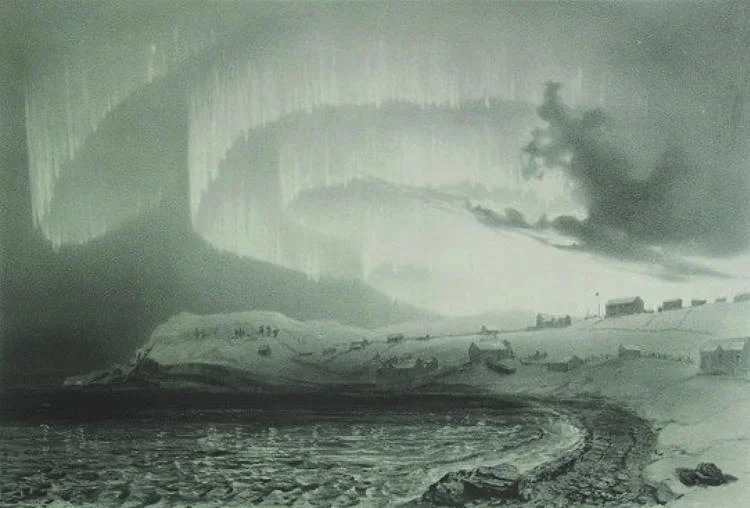
A French expedition commissioned by King Louis-Philippe wintered in Alta to study the aurora, making drawings from two geographic points to determine the altitude of the lights.
First Aurora Photograph
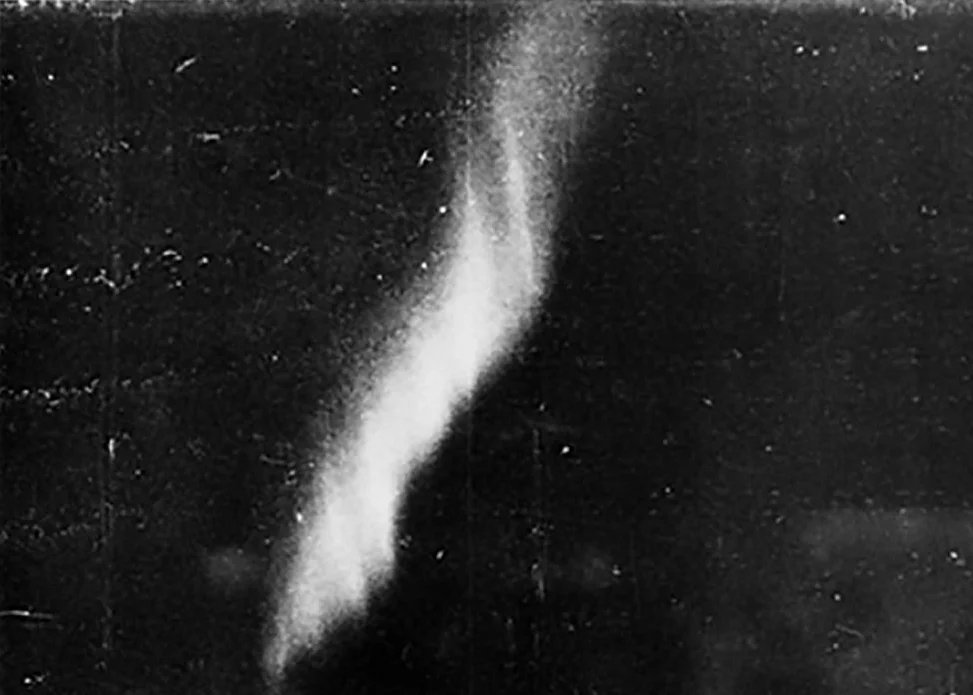
On January 5th near Bossekop (Alta), German astronomer Martin Brendel and meteorologist Otto Baschin captured the first known photograph of the Northern Lights.
First Permanent Observatory
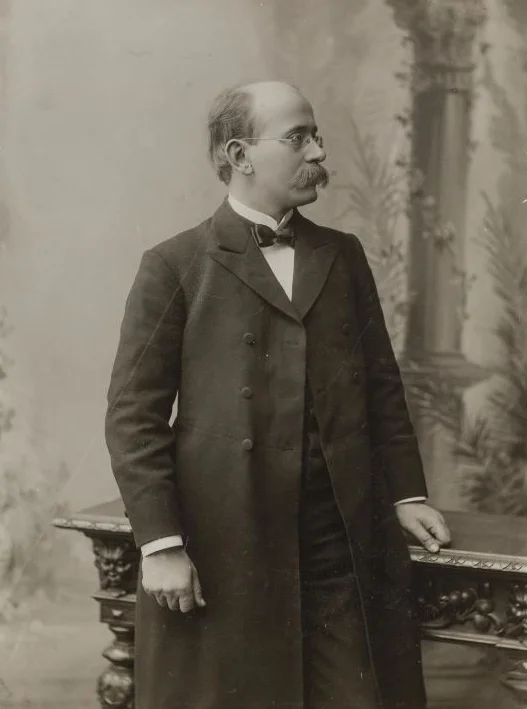
Kristian Birkeland established the world’s first permanent Northern Lights observatory on Haldde mountain peak (Sukkertoppen) outside Alta.
Scientific Legacy Continues
Alta doesn’t just sell the aurora experience—it is one of the founding places of aurora science and remains connected to ongoing Arctic and space-weather research in Northern Norway.
When & How to See the Northern Lights
Timing, preparation, and expert guidance for the perfect aurora experience
Best Season
Late August to mid-April, with peak viewing from October to March during the darkest winter months.
Optimal Time
Between 18:00 and 01:00 local time offers the best viewing window for aurora activity.
Photography Setup
Use a DSLR or mirrorless camera with manual mode, tripod, wide-angle lens, and high ISO settings.
Dark Location
Choose spots away from town lights. Gargia Lodge in the wilderness is perfect for this.
Dress Warmly
Layer up with thermal clothing, insulated boots, hat, and gloves. Arctic nights are cold!
Solar Activity
Monitor aurora forecasts and solar activity. Our guides track conditions to maximize your chances.
Photography Tips
- •Use manual mode with shutter speed 5-30 seconds
- •Set ISO between 800-3200 depending on aurora brightness
- •Wide aperture (f/2.8 or lower) captures more light
- •Bring extra batteries—cold drains them quickly
- •Use a remote shutter or timer to avoid camera shake
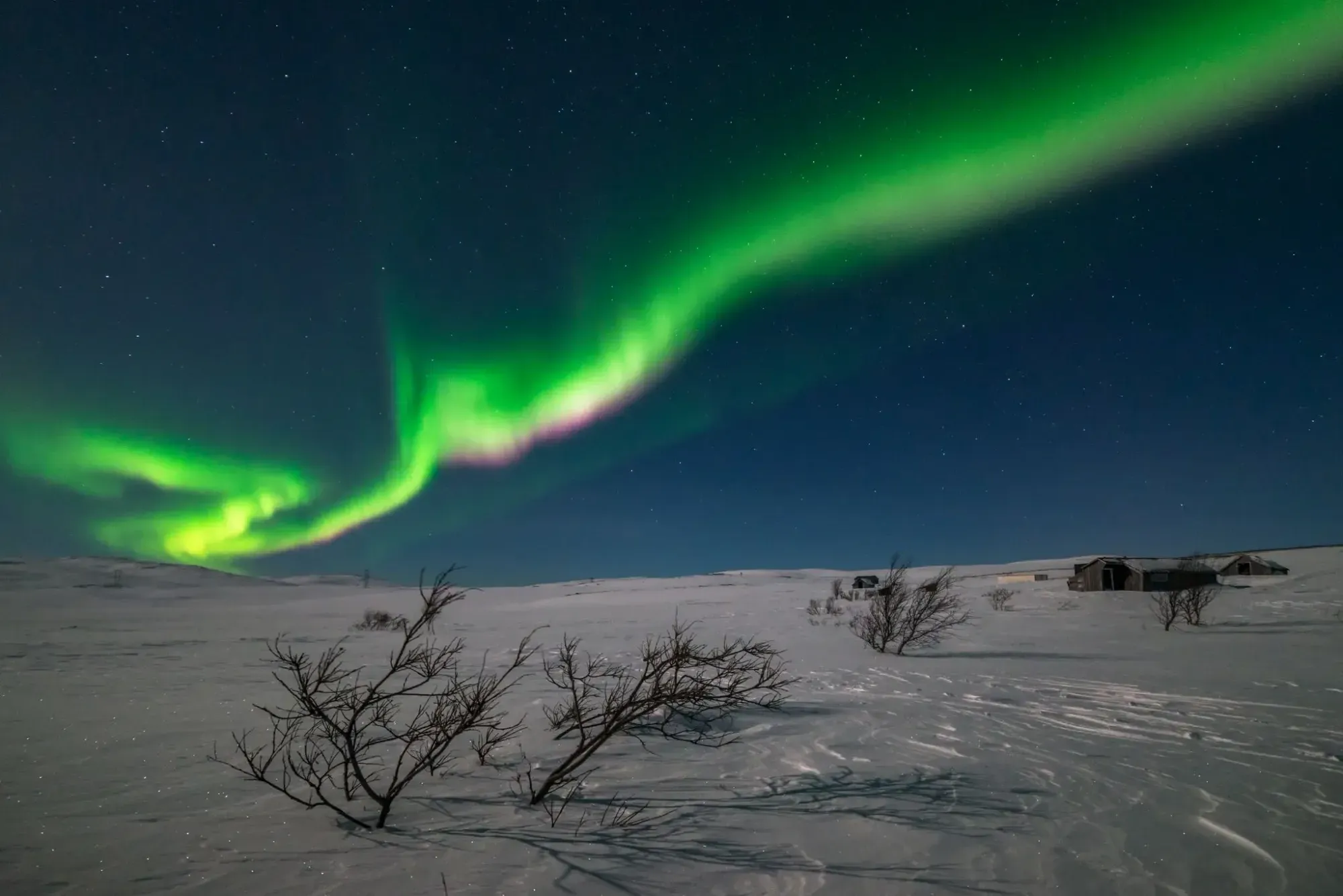
Important: While Alta offers some of the best conditions in the world, the Northern Lights are a natural phenomenon. Visibility depends on solar activity and weather conditions. Our guided tours maximize your chances with expert local knowledge.
The Science Behind the Magic
Understanding how the Northern Lights appear in our Arctic skies
The Auroral Oval
Alta sits directly beneath the auroral oval—a ring-shaped zone around the magnetic poles where aurora activity is most intense. This prime location gives us exceptional viewing opportunities.
How It Works
Solar Wind to Aurora
Aurora Colors
Green (Most Common)
Oxygen molecules at 100-300km altitude produce the characteristic green glow
Purple & Pink
Nitrogen molecules create purple and pink hues at lower altitudes
Red (Rare)
Oxygen at very high altitudes (above 300km) produces rare red auroras
Blue (Very Rare)
Nitrogen at the lowest altitudes can create blue tinges
Best Places to See the Northern Lights
Experience the aurora in pristine darkness at Gargia Lodge
Gargia Lodge
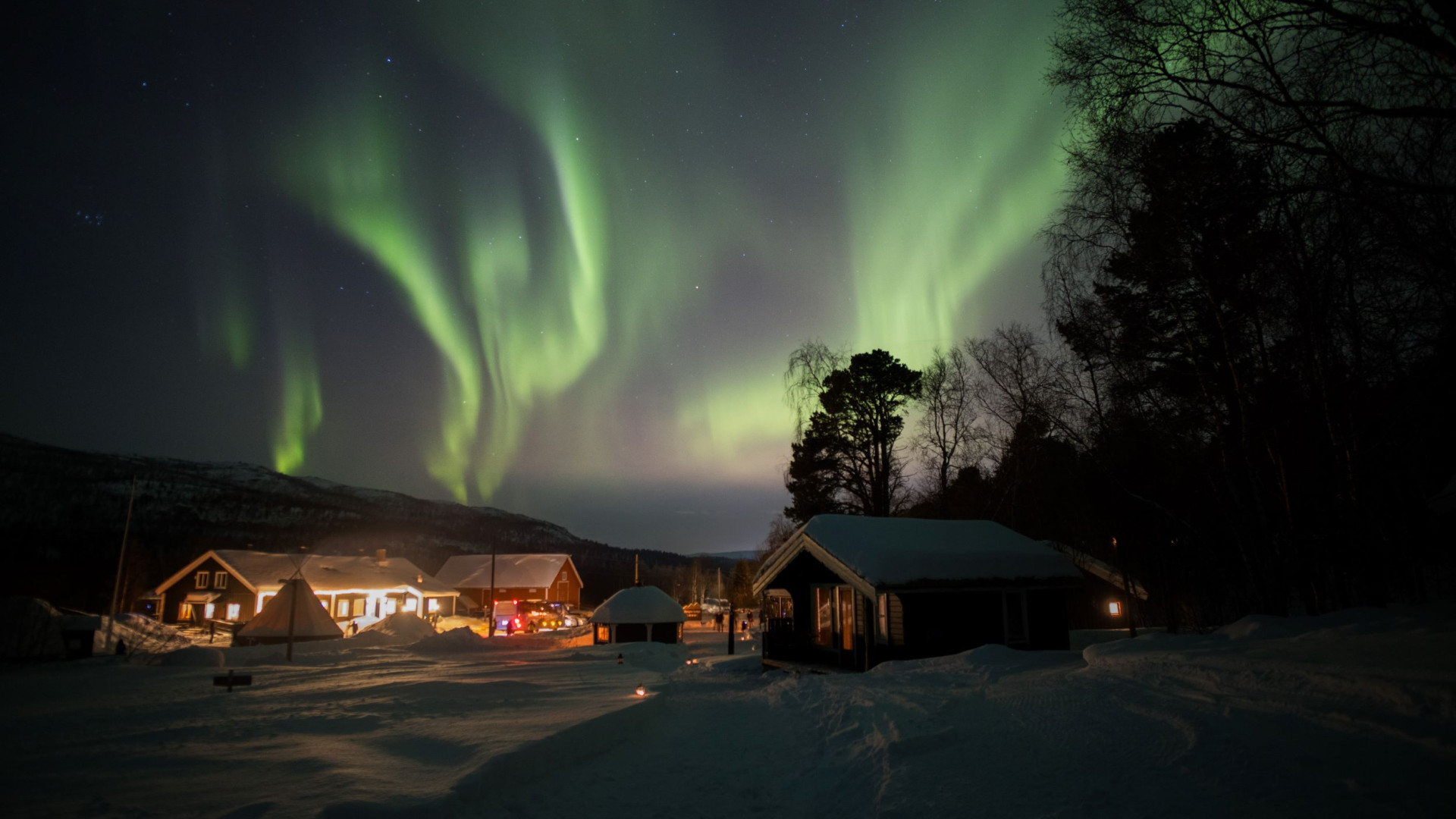
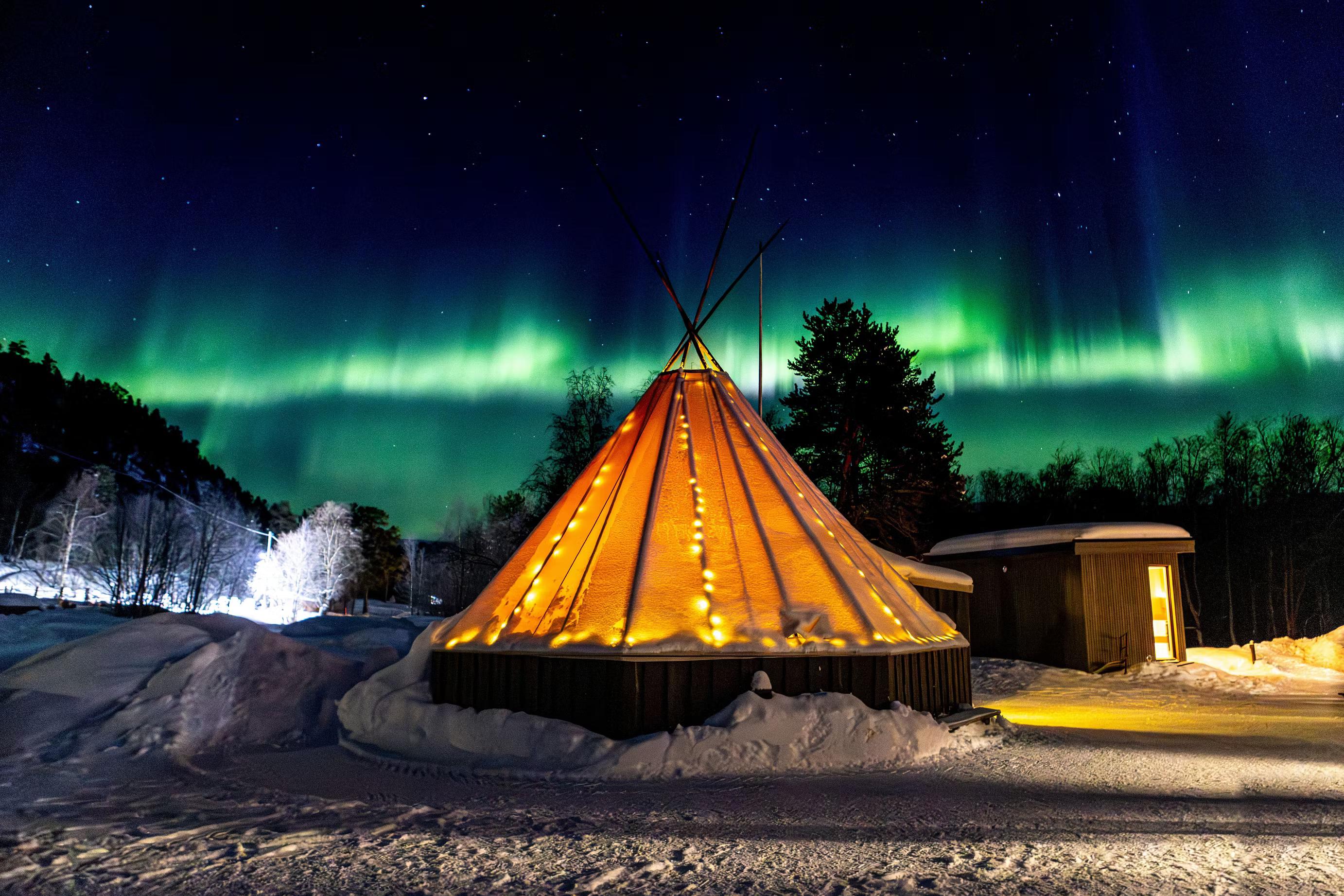
Located just 30 minutes from Alta city center, Gargia Lodge offers the perfect escape from light pollution for optimal Northern Lights viewing.
Situated right at the foot of Finnmarksvidda— Northern Europe’s largest mountain plateau and designated dark sky area — the lodge provides unparalleled viewing conditions under some of the darkest skies in the region.
Accommodation
Comfortable lodging in the wilderness
Dining
Full-service meals and refreshments
Guided Tours
Expert-led aurora experiences
Ideal viewing conditions + Full-service comfort = Your perfect Northern Lights adventure
Gargia Lodge
Your Northern Lights basecamp
Loading route...
Location
Your Adventure Under the Aurora
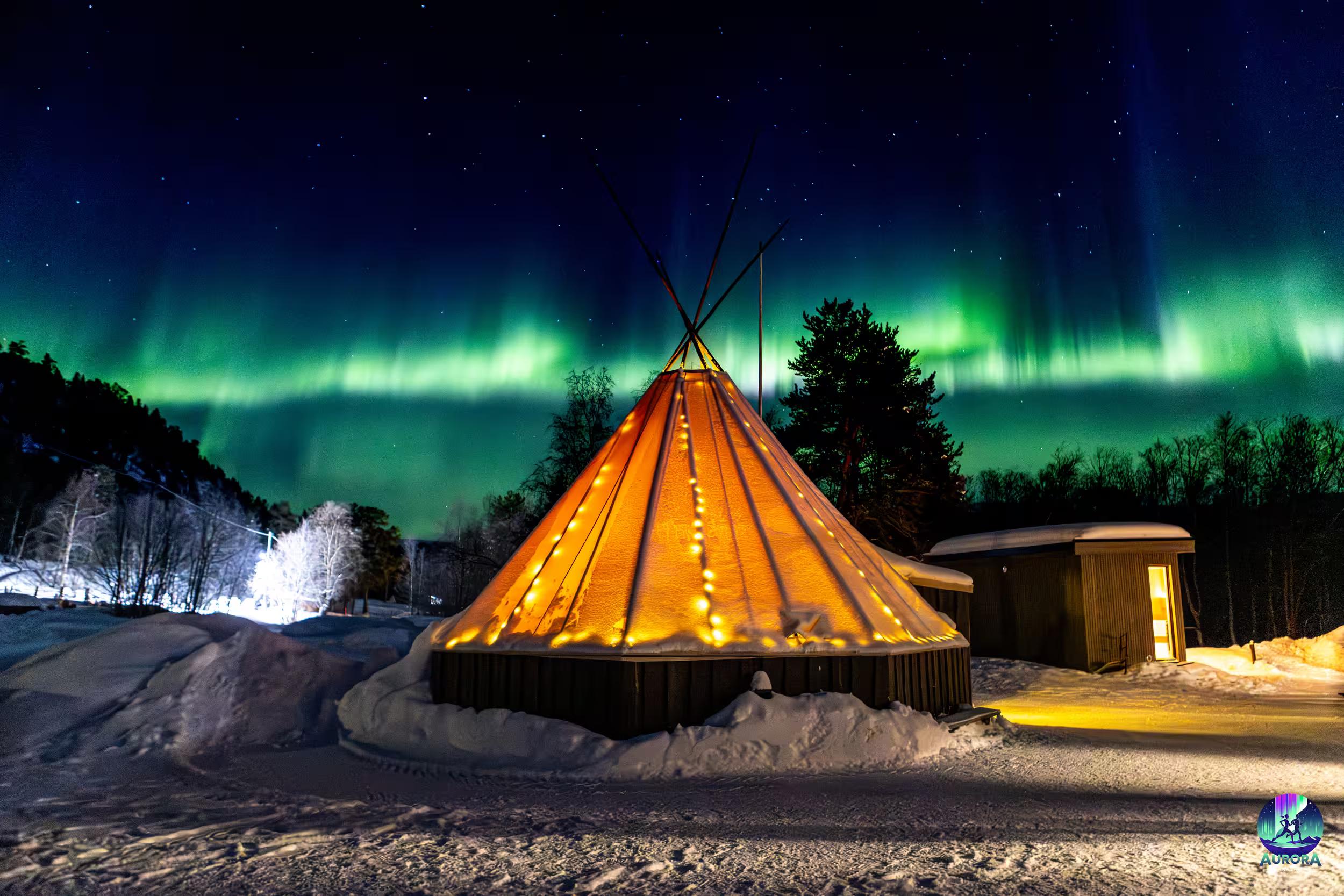
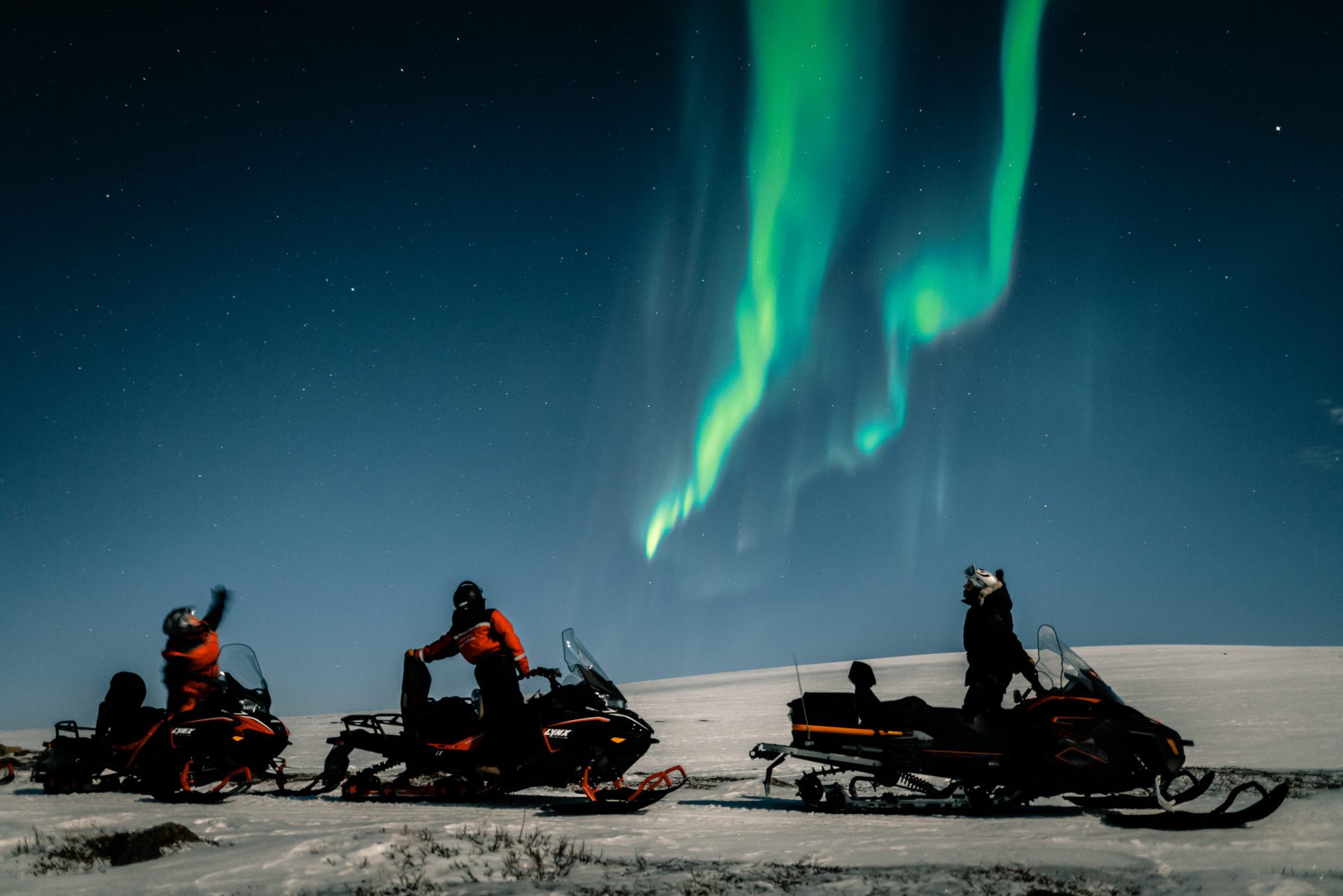
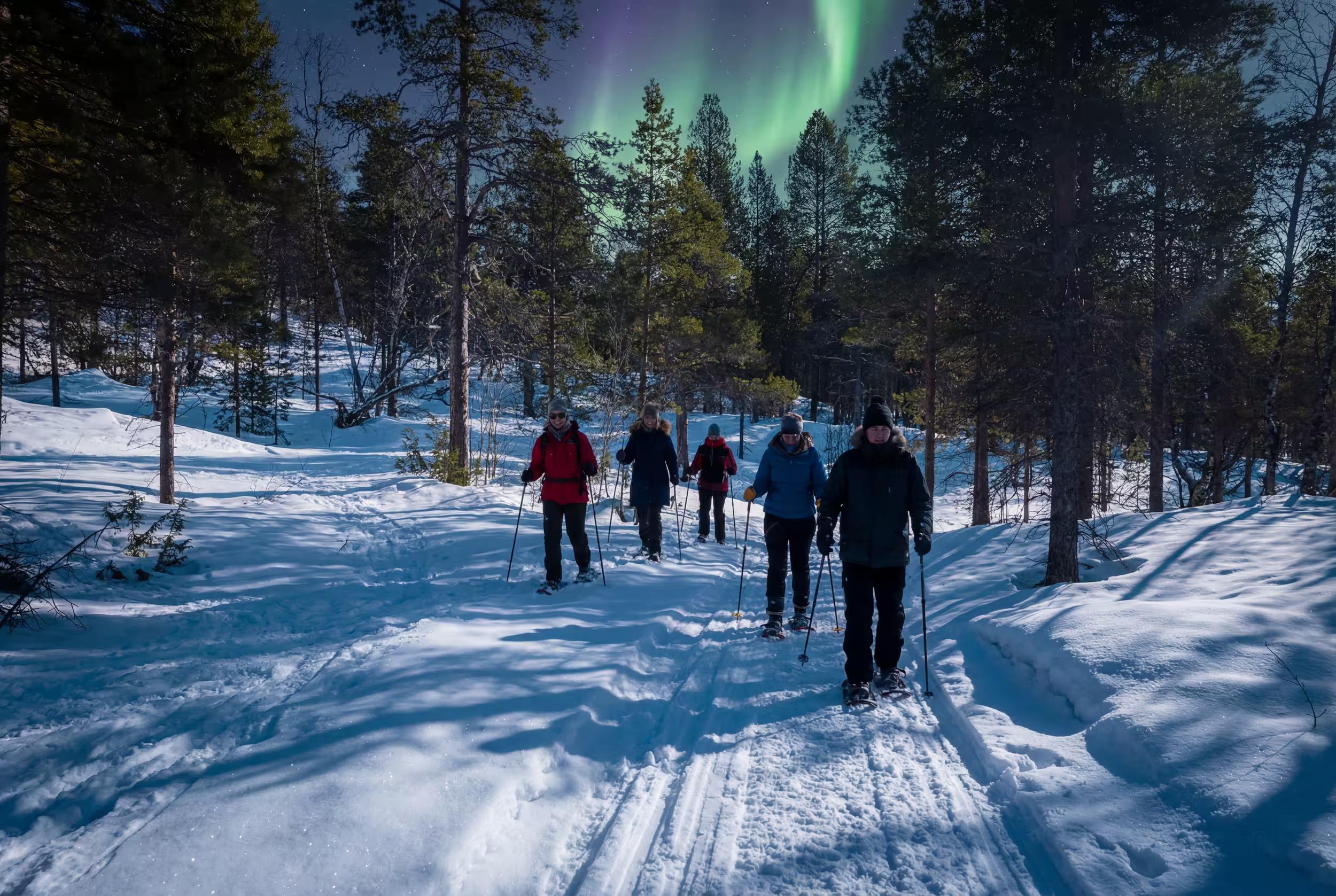
Discover our curated Northern Lights experiences designed to give you the best aurora viewing opportunities
Why Book With Us
Premium Location
Based at Gargia Lodge, far from light pollution
Expert Guides
Local knowledge of weather and aurora hotspots
Photo Support
Camera settings and composition assistance
Picking Alta already puts you in one of the world’s best aurora destinations. We remove the guesswork—where to go, how to shoot, when to hunt. Our comfortable lodge base combined with exciting outdoor excursions means you get more than just “seeing the lights”—you live the Arctic night.
Frequently Asked Questions
Everything you need to know before you pack
Have more questions? We’re here to help make your Northern Lights adventure perfect.